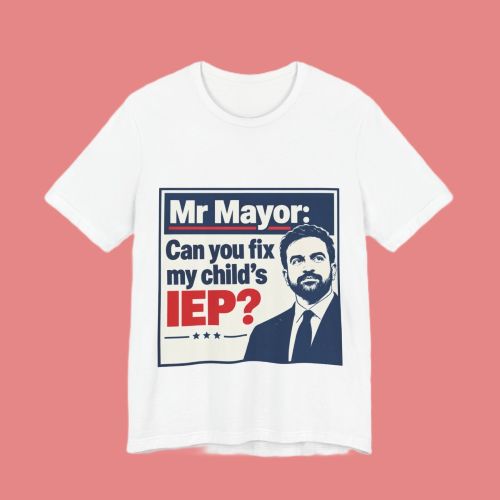
What's Happening in District 21 Special Education Right Now
District 21, encompassing parts of Brooklyn, faces persistent challenges in meeting the diverse needs of its special education population. Recent data suggests a growing number of students identified with emotional and behavioral disabilities, straining existing resources and potentially leading to larger class sizes or reduced individualized attention. Parents have voiced concerns about the availability of adequately trained paraprofessionals to support these students, particularly in inclusive classroom settings. These concerns highlight the need for District 21 to prioritize professional development and recruitment efforts focused on equipping staff with the necessary skills to effectively address the unique challenges presented by this student population.
A systemic issue potentially affecting District 21 is the timely completion of initial evaluations and re-evaluations mandated by NYSED regulations. Delays in these evaluations can significantly impact a student's access to appropriate special education services and supports. Families report waiting longer than the legally mandated 60-day timeframe for evaluations to be completed, leading to frustration and potential academic regression for students. District 21 should conduct a thorough review of its evaluation processes to identify bottlenecks and implement strategies to ensure timely completion, such as streamlining paperwork, increasing staffing capacity, or utilizing external evaluation providers when necessary.
Staffing shortages, particularly among related service providers such as speech therapists, occupational therapists, and school psychologists, pose another challenge for District 21. These shortages can result in students not receiving the full complement of services outlined in their Individualized Education Programs (IEPs). To address this issue, District 21 should explore innovative recruitment strategies, such as offering competitive salaries and benefits, partnering with local universities to provide internships and mentorship opportunities, and implementing retention programs to encourage existing staff to remain in the district. Proactive measures are crucial to ensure that all students with disabilities receive the specialized support they need to thrive academically and socially.
IEP & CSE Timeline Red Flags in NY State
Under NY State law (Part 200 Regulations), once you sign consent for an initial evaluation, the district has 60 calendar days to evaluate your child and hold the Committee on Special Education (CSE) meeting to determine eligibility. These timelines are legally binding.
One Action Step You Can Take Today
Send a written, dated request via email to your campus principal AND the District 21 Special Education Office requesting a Full Evaluation if you have concerns. Verbal requests do not start the legal clock in New York.
Frequently Asked Questions: District 21 Special Education
Real questions New York parents are searching for — answered with NYSED regulations in mind.
What is the process for requesting a special education evaluation for my child in District 21?
The process begins with a written request to your child's school principal or the District 21 Committee on Special Education (CSE). The CSE then has 60 school days to complete the evaluation. This evaluation includes various assessments to determine if your child has a disability that impacts their educational performance and requires special education services.
What are my rights if I disagree with the findings of my child's special education evaluation conducted by District 21?
If you disagree with the evaluation results, you have the right to obtain an Independent Educational Evaluation (IEE) at public expense if you can demonstrate that the district's evaluation was inappropriate. You must notify the district in writing of your disagreement and request for an IEE. The district can either agree to fund the IEE or initiate an Impartial Hearing to defend their evaluation. If the Impartial Hearing Officer rules in your favor, the district must fund the IEE.
How often is my child's IEP reviewed and updated in District 21?
Your child's IEP must be reviewed and updated at least annually by the CSE. You, as the parent, are a critical member of the CSE and have the right to participate in all IEP meetings. You can also request an IEP meeting at any time if you have concerns about your child's progress or the appropriateness of their current program.
What types of special education services are available for students with disabilities in District 21?
District 21 offers a range of special education services, including but not limited to: Consultant Teacher services, Resource Room programs, Integrated Co-Teaching (ICT) classes, and Special Class placements. Related services such as speech therapy, occupational therapy, physical therapy, counseling, and assistive technology are also available, based on the individual needs of the student as determined by the CSE and documented in the IEP.
What can I do if I believe my child's IEP is not being implemented correctly in District 21?
If you have concerns about the implementation of your child's IEP, you should first contact your child's teacher, case manager, or the school principal to discuss your concerns. If these initial steps do not resolve the issue, you can contact the District 21 CSE directly. If the issues persist, you have the right to file a complaint with NYSED or request mediation or an Impartial Hearing to resolve the dispute.
What is the process for requesting an Impartial Hearing in District 21?
To request an Impartial Hearing, you must submit a written request to NYSED, providing specific details of the issues you are disputing. You have two years from the date of the action you are disputing to file a request for an Impartial Hearing. NYSED will then appoint an Impartial Hearing Officer to hear your case and make a determination. You have the right to present evidence, call witnesses, and be represented by an attorney or advocate at the hearing.